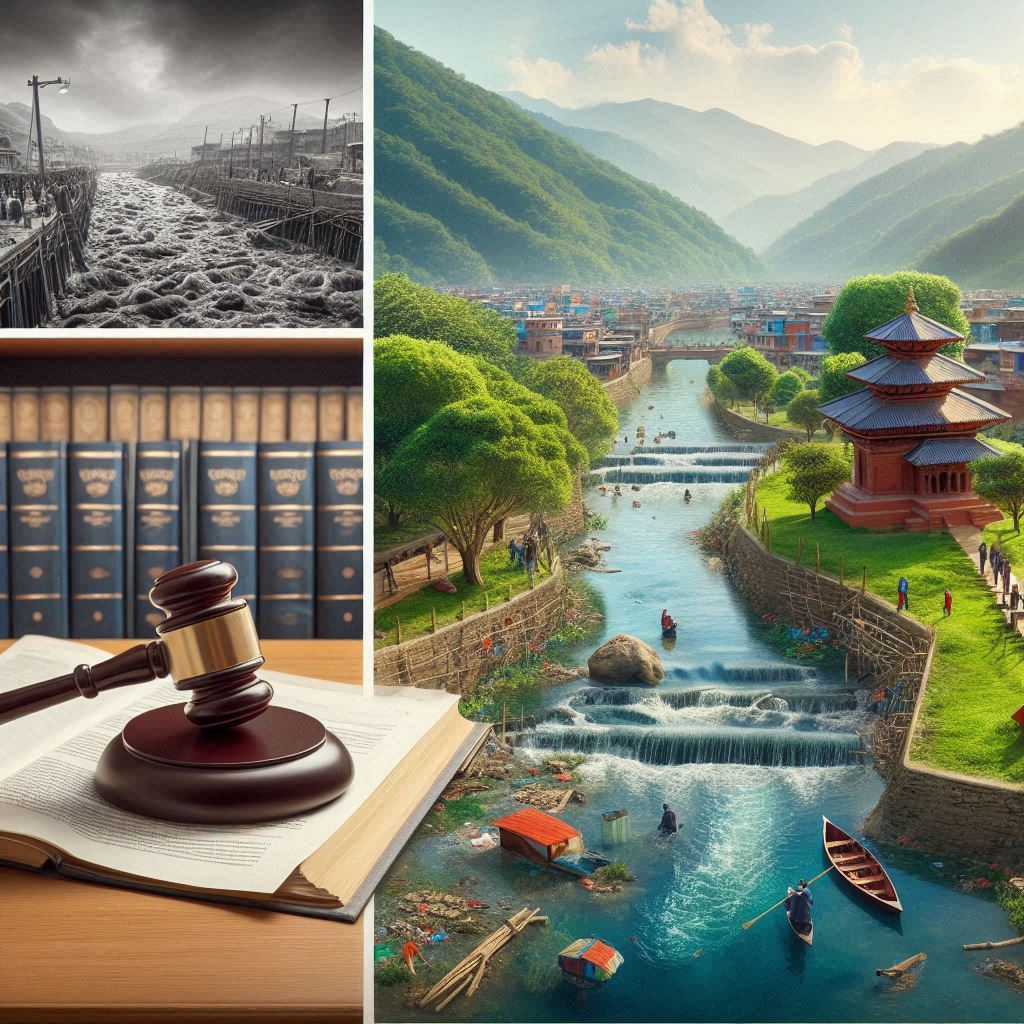
The rivers of Kathmandu Valley, once pristine and integral to local life, have suffered severe pollution since the 1950s due to rapid urbanization, industrialization, and inadequate waste management. The 1980s and 1990s saw a significant decline in water quality, reaching critical levels by the 2000s, despite early mitigation efforts. Legal and infrastructural responses in the 2010s, including Supreme Court directives, have aimed to address these issues, but challenges like encroachments and insufficient waste treatment persist. The recent Supreme Court order underscores the urgent need for comprehensive action to restore and protect these vital waterways.
The rivers of Kathmandu Valley, including the Bagmati and its tributaries, have long been in a state of environmental crisis. These rivers, once pristine and central to the valley’s cultural and natural heritage, have suffered from severe pollution and encroachment due to rapid urbanization, industrialization, and lack of effective waste management. The degradation of these rivers poses significant threats to public health, the environment, and the overall quality of life for the valley’s residents.
Upholding Our Constitutional Rights
This decision by the Supreme Court highlights the importance of implementing past rulings effectively and taking comprehensive steps to ensure a clean and healthy environment. By reinforcing our constitutional right to a pristine natural world, the order underscores our collective responsibility to work together in safeguarding public health and the environment. It’s a reminder that protecting our rivers goes beyond legal compliance—it’s about ensuring a better quality of life for everyone.
Key Measures for Pollution Control and Encroachment Removal
All municipalities within the Kathmandu Valley must halt the approval of new building plans likely to discharge wastewater into natural water sources until proper treatment facilities are established. This ensures new constructions comply with environmental standards from the outset. Unauthorized structures must be assessed to confirm they meet the required standards, and necessary actions must be taken to address non-compliance. Strengthening existing wastewater treatment systems and establishing new centers to handle the increasing volume of wastewater due to urban population growth is critical in preventing untreated sewage from polluting the rivers. Direct discharge of untreated wastewater into rivers must be strictly prohibited, ensuring that all wastewater undergoes proper treatment before being released into the environment.
A holistic approach is required to manage all sources of pollution, including domestic, industrial, and hazardous waste. Effective management strategies must be developed and implemented across the board. Immediate cessation of dumping or disposing of waste in rivers is essential. This includes cracking down on illegal dumping activities and ensuring proper waste disposal methods are followed.
Relocation and Support for Affected Residents
The directive also addresses the human element of river encroachment. Many people living along the riverbanks are there due to lack of alternatives, often residing in squatter settlements. Genuine squatters along the riverbanks should be identified and relocated to government-provided housing, such as the facilities in Enchangunarayan. If relocation isn’t feasible due to space constraints or other issues, alternative arrangements should be made, considering the fundamental right to residence guaranteed by Article 37(1) of the Constitution of Nepal. Immediate cash assistance should be provided for relocation efforts, ensuring that affected families can move without undue hardship.
Construction Regulations and Environmental Protection
No new construction should be permitted within 20 meters of riverbanks. This setback is crucial to prevent further encroachment and protect the natural floodplains. Existing unauthorized structures within this restricted zone should be removed to restore the natural state of the riverbanks. To manage the impacts of increasing urbanization, it’s vital to preserve river floodplains, green areas, and recreational spaces. These areas serve as natural buffers against pollution and help maintain the ecological balance. All municipal boundaries and land use maps, such as those from 2021-2022, should be adhered to, and historical records on floodplain encroachments should be considered to guide urban planning.
Coordination and Leadership
The successful implementation of these measures requires the cooperation of all local bodies within the Kathmandu Valley. This effort must be led by the Bagmati River Integrated Development Authority, which plays a pivotal role in coordinating actions and ensuring efficient execution.
Conservation Efforts
Each municipality is responsible for conserving the ponds within their jurisdiction. These water bodies are crucial for supporting the overall environmental health of the river systems. Collaboration with public institutions, such as the Nepal Army and Nepal Police, will be encouraged to construct ponds and soak pits to enhance groundwater recharge.
Pollution Monitoring and Management
Municipalities will appoint pollution inspectors responsible for monitoring pollution levels and submitting regular reports. Based on these reports, necessary actions will be taken under the Environment Protection Act and other relevant laws to control and reduce pollution.
Utilization of Melamchi Project Water
As the Melamchi Project reaches completion, its water resources will be strategically utilized to improve the environmental health of the Kathmandu Valley. A portion of the treated water will be stored in ponds throughout the valley to maintain a stable water supply and support groundwater recharge. The remaining water will be channeled into the Bagmati, Vishnumati, and other rivers and streams, helping to enhance river flow and improve water quality.
Supreme Court’s Directive on Waste Management
The Supreme Court’s directive mandates that waste management in the Bagmati River area must adhere to scientific standards to minimize environmental impact. Immediate action is required to implement the court’s orders, ensuring proper and safe waste management practices.
Addressing Flood Risks and Unauthorized Structures
To mitigate the risks of annual flooding and ensure the natural flow of rivers, it’s crucial to identify and address the causes of flooding in the Bagmati and its tributaries. Removing unauthorized structures in flood-prone areas and preventing further encroachments are also essential steps in this process.
Conclusion: A Call to Action
The Supreme Court’s directive is a monumental step towards ensuring the environmental health and sustainability of the Kathmandu Valley’s rivers. It’s now up to us, government bodies, local municipalities, and citizens alike to rise to the occasion and work collectively for a cleaner, healthier future. This is a watershed moment for Kathmandu, and with concerted effort and commitment, we can restore the rivers to their former glory and secure a better quality of life for all.